
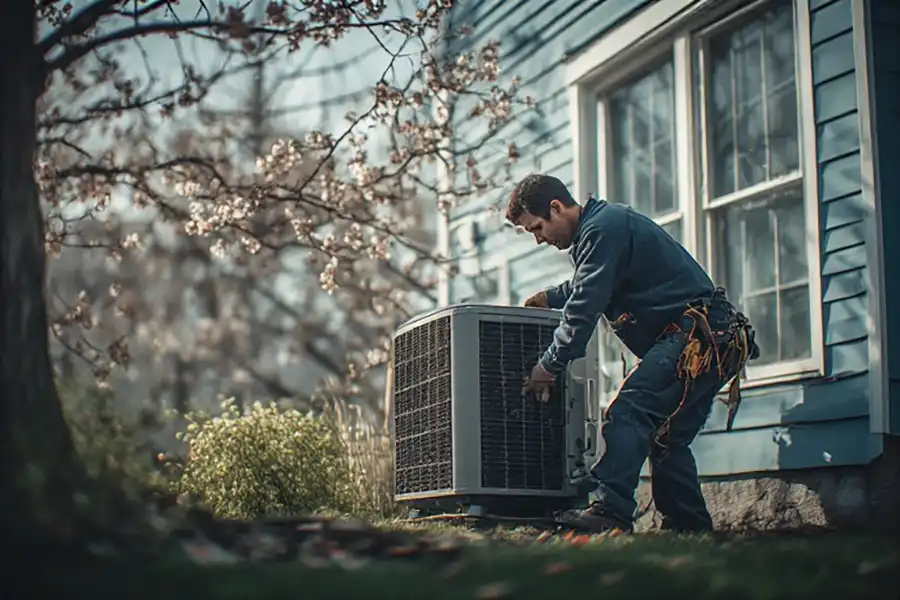
It’s mid-July, and suddenly your vents blow lukewarm air. While many treat AC units as “set it and forget it” boxes, Houston’s climate forces equipment to work harder than almost anywhere else. Ignoring this workload often leads to expensive utility spikes.
Think of maintenance like changing your car’s oil versus replacing the engine. You wouldn’t wait for smoke to visit a mechanic, yet many residents wait for a breakdown to call a technician. Industry standards show proactive tune-ups prevent most costly emergencies.
Moving from reactive repairs to a membership protects your wallet. Because humidity accelerates wear on residential preventative maintenance agreement inclusions, priority status ensures you never wait in the heat.
How Often Should You Schedule Service to Survive a Houston Summer?
In our climate, your air conditioner puts in more “mileage” in a single year than units in cooler states do in five. Because your system runs nearly nonstop from May through September, the internal components accumulate massive wear and tear. We recommend deciding how often to schedule HVAC maintenance in Houston based on the seasons: book your cooling tune-up in March and your heating safety check in October. This timing allows technicians to catch worn parts before the extreme weather actually hits.
Dealing with 90% humidity creates a unique local problem known as “condensate sludge.” As your AC pulls moisture from the air, that water mixes with dust to create a jelly-like substance that clogs your pipes. One of the primary benefits of bi-annual air conditioner tune-ups is professionally flushing this sludge before it backs up into your ceiling or trips the emergency shut-off switch.
Watch for these indicators on your seasonal HVAC checklist for high humidity climates:
- Clammy Air: The house feels cold but sticky, usually meaning the coils are too dirty to remove humidity.
- Water Issues: Any moisture around the indoor unit suggests the drain line is blocked.
- Short Cycling: The unit turns on and off rapidly without cooling the room.
Inside Your Maintenance Visit: What a 20-Point Inspection Actually Prevents
A multi-point HVAC inspection goes far beyond just changing a filter. A technician starts by measuring amperage draw, which acts like a heart rate monitor for your system’s motors. If the electrical current reads too high, it means components are straining to operate, significantly increasing the risk of a mid-summer breakdown or an electrical fire caused by loose, overheating wires.
Once the electrical safety is confirmed, the focus shifts to the system’s ability to actually cool your home through technician safety inspections and refrigerant level checks. Unlike gas in a car, your air conditioner shouldn’t consume refrigerant; if levels are low, you likely have a leak that drives electricity bills sky-high because the unit must run twice as long to reach your set temperature. The expert also inspects the evaporator coil, as even a thin layer of dust acts as an insulator that blocks the heat exchange process, forcing the compressor to work overtime.
Beyond mechanical efficiency, these visits play a massive role in improving indoor air quality through regular system cleaning. A dirty blower wheel inside the unit can fling dust, mold spores, and allergens back into your living rooms every time the fan kicks on. By ensuring these internal components are spotless, you protect your family’s health while securing the system’s longevity.
Are HVAC Maintenance Contracts Worth It for Texas Homeowners?
When you open your electricity bill in August, you are seeing the direct result of your system’s efficiency. Industry studies show that a neglected unit loses about 5% of its efficiency every year it goes without service, forcing it to run longer to cool the same space. If a tune-up saves you even $30 a month during peak heat by keeping coils clean and motors lubricated, the plan often pays for itself in energy savings alone.
Beyond lower utility bills, these memberships act as a financial shield against unexpected breakdowns. While the average cost of annual HVAC service agreements is typically less than the price of a daily cup of coffee, the real value kicks in when something goes wrong. Members usually receive priority service and emergency repair discounts, meaning you skip the long waitlist during a heatwave and avoid paying premium “after-hours” rates.
To see the math clearly, compare the typical out-of-pocket costs for a non-member versus a plan holder:
- Emergency Dispatch Fee: Non-members pay $99–$200+; Members often pay $0.
- Repair Parts: Non-members pay full retail; Members typically save 10–15%.
- System Lifespan: Regular maintenance adds 3–5 years of life, delaying a $10,000+ replacement.
Filter Changes vs. Coil Cleaning: Knowing Where DIY Ends and Professional Plans Begin
Managing your home’s comfort starts with a simple habit that acts as the first line of defense against unexpected breakdowns. Changing your air filter every 30 days is the single most effective way you can support proper airflow, preventing the system from suffocating under a blanket of dust and pet hair. While understanding the balance of DIY AC maintenance vs professional service plans helps you save money, swapping that filter is generally where the homeowner’s responsibility safely ends.
Deep cleaning requires a level of precision that household tools simply cannot match, especially when dealing with delicate internal components like coils and drainage systems. A technician cleans evaporator coils using specific chemical solutions that strip away grime without corroding the metal, a crucial step for extending lifespan of high-efficiency central air units. Attempting this yourself often leads to bent fins or water damage in the electrical panel, turning a well-intentioned cleaning session into a major repair bill.
Listen to your home for subtle warnings that go beyond a dirty filter, such as strange rattling noises or airflow that feels weaker than usual. These are clear signs your cooling system needs a professional tune-up to address hidden issues like refrigerant leaks or failing capacitors before they leave you sweating in the mid-summer heat.
Choosing Your Tier: Standard vs. Premium Preventative Maintenance Agreements
Selecting a plan isn’t just about price; it’s about matching coverage to your system’s age and your personal risk tolerance. When comparing standard and premium HVAC membership tiers, view the standard option as a basic physical exam that keeps your warranty valid, while premium tiers often function closer to insurance. Higher-level plans provide financial buffers against age-related failures, typically offering:
- Standard: Essential cleaning, safety checks, and manufacturer warranty compliance.
- Premium: Priority scheduling during heatwaves, waived overtime fees, and discounts on repair parts.
Homes with separate upstairs and downstairs systems require specific attention to ensure both units are protected without paying double. Ask about multi-unit discounts to cover every thermostat efficiently. Before signing, review the fine print for residential preventative maintenance agreement inclusions to ensure specific tasks, like clearing drain lines, are explicitly listed rather than assumed. You can review specific coverage options at Autumn Mechanical Maintenance Plans to find the right fit.
Your 3-Step Action Plan for a Worry-Free Houston Summer
You no longer need to fear sudden breakdowns or skyrocketing utility costs during the peak season. By understanding the real value of regular care, you can now secure your home’s comfort with confidence. Start by checking your last service date and current air filter condition; if it has been over six months, your system likely needs attention. These simple checks are the vital first steps in preparing air conditioners for extreme Texas summer heat.
These insights regarding Houston HVAC maintenance transform cooling from a monthly gamble into a managed investment. Instead of dreading a mid-summer crash, you now have the tools to ensure consistent, efficient airflow year-round. Taking action now secures peace of mind for the long haul because an ounce of prevention in March always beats a ton of sweat in August.
Autumn Mechanical
18812 Tomato St.
Spring, TX 77379
(713) 864-8368
View our Google Business Listing
View our Facebook Page