
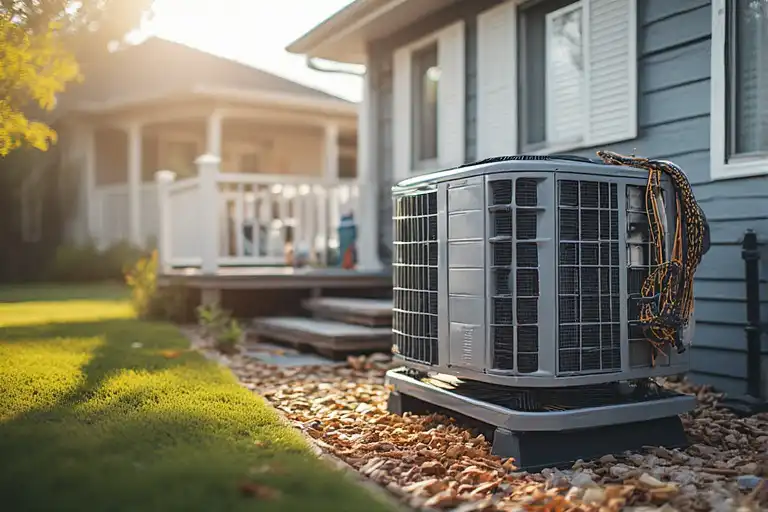
When the dog days of summer arrive, your air conditioner becomes the hardest working appliance in your home. It provides essential relief from the sweltering heat, but that comfort often comes with a frustrating side effect: skyrocketing electricity costs. For many homeowners, reducing high summer utility bills feels like an impossible puzzle. However, the secret to affordable comfort is surprisingly simple and relies entirely on routine equipment care.
Understanding exactly how AC tune-ups reduce summer energy bills is the first step toward reclaiming your budget. By addressing minor inefficiencies before they compound into major power drains, routine maintenance allows your cooling system to do its job using significantly less electricity.
Here is an expert breakdown of how a simple tune-up can dramatically lower your monthly cooling costs while keeping your home perfectly chilled.
Why Maintained Systems Cost Less to Run
An air conditioner does not actually “create” cold air; it removes heat from your indoor air and transfers it outside. When components are dirty or misaligned, this heat-transfer process requires much more electrical energy to complete. A comprehensive tune-up restores the mechanical balance of your system in several critical ways.
Cleaning Evaporator and Condenser Coils
The coils in your AC unit are responsible for absorbing heat from inside your home and releasing it outdoors. Over months of use, these coils accumulate dust, dirt, and outdoor debris. A layer of grime acts as an unwanted insulator, trapping the heat and forcing the system to run longer cycles. By thoroughly cleaning evaporator and condenser coils, a technician restores maximum heat-transfer capabilities. This drastically cuts down the time your compressor needs to run, immediately translating to lower energy consumption.
Optimizing Airflow
Your AC’s blower motor pushes conditioned air through your ductwork and into your living spaces. When filters are clogged, fins are bent, or indoor vents are blocked, the motor has to work overtime to push air through the resistance. Optimizing AC airflow for savings involves replacing restrictive filters, straightening coil fins, and ensuring the blower fan is clean and balanced. This reduces the electrical load on the motor and cools your home much faster.
Proper Refrigerant Management
The refrigerant is the lifeblood of your cooling system. Unfortunately, tiny leaks can develop over time. Understanding the refrigerant level impact on efficiency is vital; if your system is undercharged, it cannot absorb enough heat, meaning the AC will run constantly without actually cooling the house. Conversely, an overcharged system can damage the compressor. A professional tune-up ensures the exact factory-specified chemical charge is present, allowing the system to operate at peak electrical efficiency.
Recognizing When Your System Is Struggling
You shouldn’t wait for a total system failure to call a technician. Recognizing the early signs air conditioner needs tune up can save you from a month of unnecessarily high electric bills. Watch out for:
- Weak Airflow: If the air coming from your vents feels like a weak breeze, your blower or filter needs immediate attention.
- Warm Air: If your AC is running but blowing lukewarm air, you likely have a compressor or refrigerant issue.
- Short Cycling: If the unit constantly turns on and off every few minutes, it is drawing massive amounts of startup electricity without actually cooling your home.
- Strange Noises or Odors: Grinding, squealing, or musty smells indicate failing belts, dry bearings, or mold accumulation.
Professional Expertise vs. DIY Methods
Homeowners looking to save a quick buck often debate professional AC service vs DIY cleaning. While changing your own air filter monthly is highly recommended, modern central air systems are complex networks of high-voltage electrical components and pressurized chemicals. Simply spraying a garden hose at your outdoor unit won’t cut it, and doing so incorrectly can bend delicate fins or damage the electronics.
If you find yourself asking, “are professional AC inspections worth it?” simply look at the long-term math of yearly maintenance vs emergency repairs. A routine tune-up costs a fraction of what you would pay for a weekend emergency call to replace a blown compressor motor. A licensed technician possesses the diagnostic tools to test electrical voltage, measure chemical pressures, and calibrate thermostats—tasks that fall far outside the realm of DIY.
Long-Term Financial and Comfort Benefits
The immediate drop in your monthly energy bill is just one piece of the puzzle. The broader residential HVAC maintenance benefits provide massive return on investment over the lifespan of your home.
First and foremost, routine servicing is the best method for extending HVAC system lifespan. An air conditioner that is forced to work through the strain of dirty coils and low refrigerant will burn out years before a well-maintained unit. Replacing an entire central air system is an expense of thousands of dollars; getting an extra five to ten years out of your current unit is a massive financial win.
Furthermore, annual tune-ups are essential for improving SEER rating performance. Your unit’s SEER (Seasonal Energy Efficiency Ratio) degrades by a small percentage every year it goes without service. Consistent maintenance freezes this degradation, allowing a five-year-old system to operate with the same high efficiency it had on the day it was installed.
Finally, peace of mind is priceless. There is nothing worse than an AC unit dying in the middle of July. Routine servicing is the number one strategy for preventing AC breakdowns during heatwaves, ensuring your family stays safe and comfortable when temperatures peak.
Your Proactive Maintenance Strategy
Many homeowners wonder how often to service central air. The industry standard is once a year, ideally in the spring before the intense summer heat sets in. To ensure you are getting thorough service, familiarize yourself with a standard air conditioner seasonal maintenance checklist. A quality professional tune-up should include:
- Checking thermostat calibration
- Inspecting and tightening electrical connections
- Lubricating all moving parts to reduce electrical friction
- Clearing the condensate drain line to prevent water damage
- Measuring refrigerant charge and checking for leaks
- Cleaning internal and external coils
- Evaluating the overall condition of the blower motor and belts
Reduce Summer Energy Bills
Lowering cooling costs in summer doesn’t require you to sit in a hot, uncomfortable house. Instead of sacrificing your comfort by bumping the thermostat up to an unbearable temperature, focus on the mechanical health of your system.
When you see firsthand how AC tune-ups reduce summer energy bills, routine maintenance transitions from being a household chore to a smart financial strategy. Don’t let neglected equipment drain your wallet this season. For expert, reliable assistance in keeping your home efficient and comfortable, visit https://autumnmechanical.com/ to schedule your professional AC tune-up today. Treat your air conditioner right, and it will reward you with lower bills and uninterrupted cooling all summer long.
Autumn Mechanical
18812 Tomato St.
Spring, TX 77379
(713) 864-8368
View our Google Business Listing
View our Facebook Page