
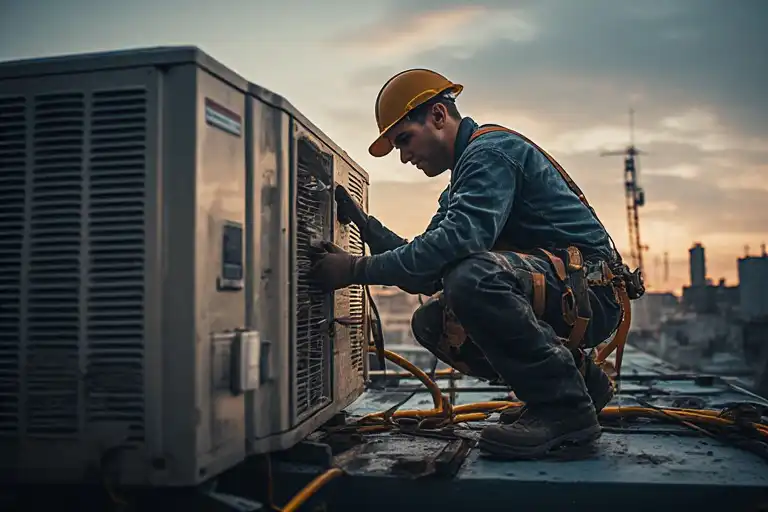
Houston summers are notoriously brutal. For business owners, property managers, and facility directors, keeping a commercial building consistently cool isn’t just a matter of luxury—it is a critical operational requirement. When the intense Texas heat sets in, an unexpected cooling failure can bring workplace productivity to a grinding halt, drive away retail customers, and even compromise heat-sensitive inventory or IT equipment. That is exactly why consistent, professional commercial ac maintenance is an absolute non-negotiable for local businesses aiming to thrive year-round.
Preventative vs. Reactive Strategies
When managing a commercial facility’s budget, the ongoing debate regarding preventative vs reactive hvac repair frequently arises. Reactive repair—the practice of waiting until a system completely breaks down before calling a technician—might seem like a clever way to save money in the short term. However, this is a dangerous gamble. Emergency repair bills, expedited parts shipping fees, and the high cost of business downtime will quickly overshadow those perceived initial savings.
On the other hand, a proactive approach makes exceptional financial sense. While facility managers might naturally worry about the average cost of commercial cooling service contract, the reality is that these agreements act as an insurance policy for your equipment. By catching minor wear and tear before it results in a catastrophic mechanical failure, you are actively reducing operational costs through hvac tuning. A finely tuned system draws significantly less electricity, directly lowering those massive summer utility bills and improving your bottom line.
Maximizing Equipment Lifespan and Energy Efficiency
Modern commercial cooling systems are massive capital investments. To protect that financial investment, improving commercial building energy efficiency must be a top priority for any facility manager. Over time, dust, debris, and urban pollution can severely choke your system’s airflow and insulate internal components. Routine maintenance tasks, such as thoroughly cleaning commercial evaporator and condenser coils, allow the system to release heat effectively. This simple step prevents the compressor from overworking and burning out prematurely.
Different building architectures utilize different cooling technologies, and each requires a specialized, tailored approach. Whether your facility team is tasked with extending life of industrial chiller units in a large-scale manufacturing plant or evaluating central air vs vrf system longevity for a multi-story office space, regular servicing is the common denominator. Variable Refrigerant Flow (VRF) systems, for example, offer incredible energy efficiency but possess highly intricate electronic controls and piping that require specialized attention to reach their maximum operational lifespan.
Establishing a Reliable Service Schedule
A question frequently asked by business owners is: how often should commercial hvac be serviced? In a highly demanding, humid climate like Houston’s, a minimum of quarterly maintenance is strongly recommended. These regular visits ensure your equipment is fully prepped for the extreme transitions between the blistering summer highs and the milder, yet unpredictable, winter months.
A comprehensive maintenance program should always include a detailed seasonal rooftop unit inspection checklist. This routine is vital for standard commercial setups and should cover:
- Filter Replacements: Inspecting and replacing commercial-grade air filters to maintain proper airflow.
- Mechanical Inspections: Checking belts, pulleys, and blower bearings for fraying or structural wear and tear.
- Drainage Clearance: Clearing drain lines and condensate pans to prevent disastrous indoor water damage and mold growth.
- Electrical Testing: Calibrating thermostats, tightening electrical connections, and testing safety controls.
For modern buildings utilizing decentralized, zoned cooling, understanding specific multi-split system upkeep requirements is just as vital. These systems require individual indoor unit filter cleanings and thorough diagnostic checks of the communication wiring between the indoor cassettes and the outdoor condensers to maintain seamless, quiet operation.
Air Quality, Environmental Compliance, and Smart Technology
Providing cool air is only part of the facility management equation; circulating clean, safe air is equally vital. Routine maintenance plays a major role in meeting strict indoor air quality standards for offices. A well-maintained and properly filtered HVAC system actively removes allergens, volatile organic compounds (VOCs), and airborne pathogens. This keeps your workforce healthy, improves cognitive function, and drastically reduces employee sick days.
Furthermore, commercial facilities must adhere to strict environmental regulations. Professional technicians perform rigorous refrigerant leak detection and compliance checks during their visits. Identifying and repairing micro-leaks not only keeps your cooling system running at peak capacity but also ensures your business remains compliant with EPA regulations regarding greenhouse gas emissions, helping you avoid hefty fines.
To take efficiency and control a step further, many forward-thinking Houston businesses are upgrading their technological infrastructure. Incorporating building automation system climate control optimization allows facility managers to monitor zone temperatures, adjust occupancy schedules, and identify hidden energy waste in real-time, all from a centralized digital dashboard.
Stopping Trouble in Its Tracks
Even with top-tier equipment and careful monitoring, occasional hiccups can happen. Knowing the basics of troubleshooting industrial cooling system issues—such as checking power breaker panels, ensuring digital thermostat schedules haven’t been accidentally overridden, or listening for unusual compressor vibrations—can help you relay accurate, helpful information to your technician.
However, DIY troubleshooting only goes so far. The absolute most effective way to prevent minor irregularities from escalating into full-system shutdowns is by relying on scheduled hvac preventative services performed by licensed, experienced professionals.
Partner with Houston’s Trusted HVAC Experts
Navigating the unique complexities of commercial cooling requires a dedicated partner who truly understands the demanding nature of the Texas Gulf Coast climate. When it comes to securing reliable commercial ac maintenance, you need a team of seasoned professionals who prioritize your business’s comfort, compliance, and bottom line above all else.
Choose Autumn Mechanical for comprehensive, expertly executed cooling solutions. With decades of hands-on experience serving the local Houston business community, their technicians have the advanced tools and specialized expertise to keep your operations running smoothly and efficiently year-round. Discover how they can protect your commercial property investment and optimize your cooling infrastructure by visiting https://autumnmechanical.com/commercial-air-conditioning-houston/.
Final Thoughts
Don’t let the unforgiving Houston heat dictate your business’s success or drive up your overhead. By shifting your facility’s focus toward proactive, scheduled care, you can drastically improve energy efficiency, enhance the quality of your indoor air, and significantly extend the life of your expensive cooling infrastructure. Invest in a customized commercial maintenance plan today to ensure your building remains a consistently comfortable, highly productive, and welcoming environment for everyone who walks through your doors.
Autumn Mechanical
18812 Tomato St.
Spring, TX 77379
(713) 864-8368
View our Google Business Listing
View our Facebook Page