
Nothing interrupts a relaxing summer afternoon quite like a failing cooling system. When the indoor temperature starts rising and your vents stop pushing out cold air, panic can quickly set in. However, understanding the basics of home AC repair not only saves you money but also helps you know exactly when to call in the experts. Let’s dive into some essential tips that will keep your home cool, comfortable, and energy-efficient all season long.
First Steps in Diagnosing the Problem
When Your System Blows Warm Air
If you find yourself frantically asking, “why is my air conditioner blowing warm air?” you are certainly not alone. This is one of the most common complaints homeowners face during the peak of summer. Before assuming the worst, start with the simplest fixes. Check your thermostat settings to ensure it is switched to “cool” rather than “fan.” Sometimes, the root of the problem isn’t the AC unit itself; replacing a faulty home thermostat can instantly restore your system’s communication and functionality.
When you begin troubleshooting central air conditioner not cooling, always inspect your air filters first. A heavily clogged filter restricts airflow, forcing the entire system to work twice as hard and severely reducing its cooling capacity.
The Silent or Unresponsive Compressor
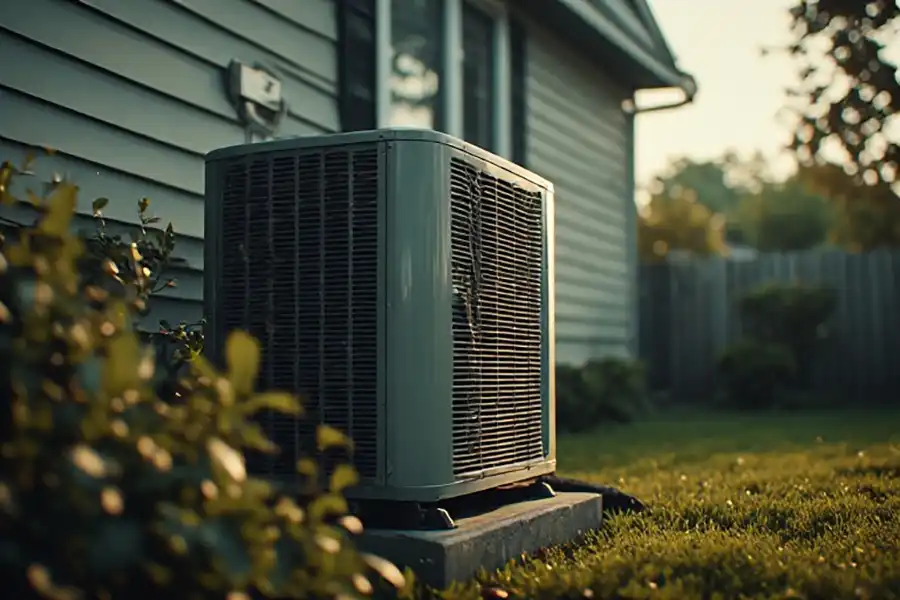
If the filter is pristine but the system still isn’t cooling, step outside and listen to your condenser unit. You might notice the central air compressor not turning on. This large outdoor unit is responsible for pressurizing and circulating refrigerant. If the indoor fan runs but the outdoor unit remains completely silent, you could be dealing with a disconnected power switch, a blown fuse, or a deeper electrical failure.
Tackling DIY Maintenance and Minor Fixes
Keep the Air Flowing and Coils Clean
While complex repairs require specialized training, there are several routine maintenance tasks you can handle safely. For instance, learning how to unclog AC condensate drain line is a vital skill for any homeowner. Over time, algae, dirt, and debris can block the PVC pipe that carries condensation away from your unit. This backup can cause water damage or trigger a safety switch that completely shuts the system down. Flushing the line with a simple mixture of warm water and white vinegar usually clears things up.
Another highly effective project for hands-on homeowners is following a cleaning dirty evaporator coils DIY guide. Located inside the indoor air handler, these coils absorb the heat from your home’s air. When they get caked in dust, they lose their ability to transfer heat efficiently. Gently brushing away the dirt with a soft-bristle brush and applying a foaming, no-rinse coil cleaner can drastically improve your system’s cooling power.
Deal with Ice and Freezing Issues
Failing to keep the coils and filters clean often leads to one of the most common reasons for AC unit freezing up. When warm indoor air cannot adequately pass over the evaporator coils, the condensation on them rapidly drops in temperature and turns to ice. If you see ice building up on the indoor unit or the outdoor copper refrigerant lines, turn the system off immediately to let it thaw before attempting any further diagnosis. Running a frozen AC can destroy the compressor.
Spotting Warning Signs of Deeper Issues
Noises and Motor Problems
Some problems go beyond simple cleaning and require a closer look at the mechanical components of your HVAC system. For example, if your outdoor unit hums loudly but the fan blade refuses to spin, you might be noticing the classic symptoms of a bad HVAC capacitor. This small, cylindrical electrical component acts like a battery, giving the fan motor the initial jolt of high-voltage energy it needs to start.
If the fan motor itself has burnt out from age or wear, you will likely need a total replacement. Homeowners often wonder about the average cost to replace AC fan motor; generally, it ranges from $300 to $600, depending heavily on the make and model of your specific system.
Identifying strange air conditioner noises early can also save you from costly future repairs. Keep an ear out for these common auditory red flags:
- Squealing: Often indicates a worn-out fan belt or bearing issue.
- Grinding: Strongly points to failing motor bearings that need immediate replacement.
- Buzzing or Clicking: Usually signals an electrical issue, such as a failing relay or contactor.
- Hissing or Bubbling: Often suggests pressurized refrigerant is escaping.
Electrical and Refrigerant Concerns
Speaking of electrical issues, if your air conditioner circuit breaker keeps tripping, do not repeatedly reset it. A tripping breaker is a crucial safety mechanism indicating a severe electrical short, a grounded compressor, or a failing blower motor. Forcing the system to run under these conditions can cause catastrophic, irreversible damage.
Refrigerant issues are another highly complex area. If you notice a sudden spike in your energy bills, ice on the coils, or lukewarm air, these are classic signs your air conditioner needs more refrigerant. However, it is important to remember that air conditioners are closed loop systems and do not “consume” refrigerant. If levels are low, a leak is present. Finding a refrigerant leak in indoor unit coils or along the exterior copper lines requires specialized tools like electronic leak detectors or UV fluorescent dyes, making it a task strictly for certified professionals.
Making the Right Choice: DIY vs. Pro
When deciding between hiring professional HVAC technician vs DIY, safety and long-term reliability should always dictate your choice. Tasks like changing air filters, clearing the condensation drain line, and cleaning around the outdoor condenser are perfectly safe, entry-level DIY chores. However, anything involving high-voltage electricity, pressurized chemical refrigerants, or internal mechanical components must be left to a licensed expert.
To prevent unexpected breakdowns before the heat waves hit, you should follow a comprehensive seasonal air conditioning tune-up checklist. A proper tune-up includes:
- Inspecting and calibrating the thermostat.
- Tightening all electrical connections and measuring voltage.
- Lubricating moving parts to reduce mechanical friction.
- Clearing and inspecting the condensate drain.
- Evaluating the system’s overall refrigerant charge.
When it’s time to bring in an expert to handle these technical tasks, you want a team you can trust to provide honest diagnostics and high-quality repairs. For top-tier service, Choose Autumn Mechanical. Their experienced technicians can handle everything from routine maintenance to complex system overhauls. If you are experiencing cooling issues, you can easily schedule a visit and learn more about their comprehensive services at https://autumnmechanical.com/service-areas/air-conditioning-repair-spring-tx-heating/.
Final Thoughts
Home AC repair doesn’t have to be a daunting mystery. By familiarizing yourself with your system’s basic components and learning how to spot early warning signs, you can easily prevent minor hiccups from turning into expensive summer disasters. Remember to stay on top of your routine maintenance, change those air filters religiously, and never hesitate to call in a professional when a problem exceeds your comfort zone. A well-maintained air conditioner will reward you with years of reliable, energy-efficient cooling, keeping your home a perfectly chilled oasis no matter how high the temperatures climb outside.
Autumn Mechanical
18812 Tomato St.
Spring, TX 77379
(713) 864-8368
View our Google Business Listing
View our Facebook Page