
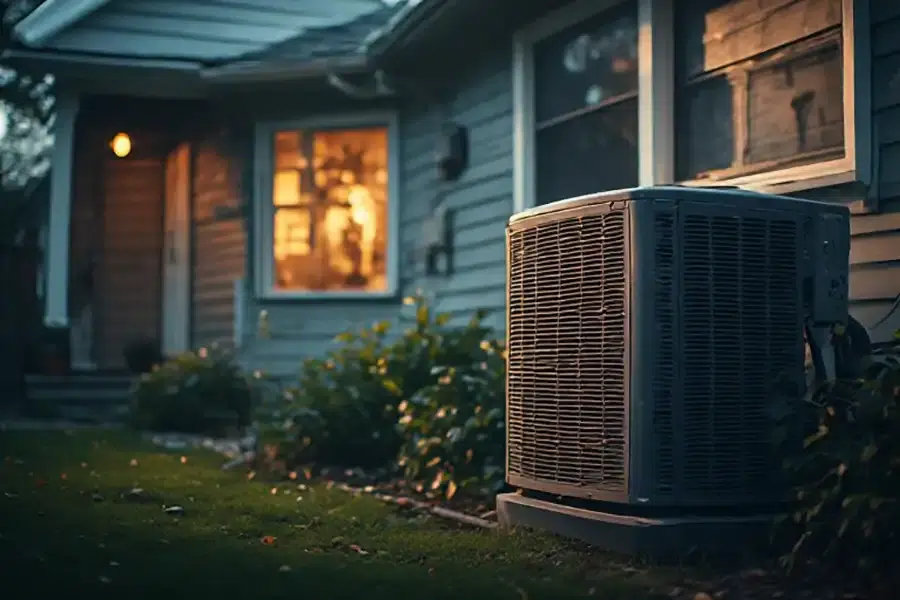
As a homeowner, your heating, ventilation, and air conditioning (HVAC) system is the beating heart of your home’s comfort. It keeps you cool during blistering summers and warm through freezing winters. However, like all mechanical equipment, it eventually wears down. If you are experiencing frequent breakdowns, uneven temperatures, or skyrocketing energy bills, you are likely facing a major crossroad: whether to repair or replace your HVAC system in 2026.
This decision is more complex today than it was even five years ago. Rapidly evolving federal regulations, exciting advancements in smart technology, and shifting energy costs mean that the “rules of thumb” for HVAC replacement have completely changed.
This comprehensive guide will walk you through the financial, environmental, and practical considerations of maintaining or upgrading your home’s climate control system this year.
Understanding the 2026 HVAC Regulatory Landscape
The HVAC industry is undergoing a massive transformation. The federal government and environmental agencies have implemented sweeping regulations aimed at reducing carbon footprints and increasing energy efficiency. Understanding these shifts is crucial for making an informed decision.
The Phasing Out R-410A Refrigerant Impact
For decades, R-410A (often known by the brand name Puron) has been the standard refrigerant used in residential air conditioners and heat pumps. However, due to its high Global Warming Potential (GWP), the Environmental Protection Agency (EPA) mandated a phasedown of hydrofluorocarbons (HFCs). Starting recently and continuing heavily into 2026, manufacturers are transitioning to new A2L refrigerants, such as R-454B and R-32.
What does the phasing out R-410A refrigerant impact mean for you? If you have an older system that springs a refrigerant leak, the cost to recharge your unit will continue to soar as R-410A becomes increasingly scarce. In many cases, a major leak in an older R-410A system now makes a full replacement more economically viable than a temporary repair.
New SEER2 Efficiency Standards for 2026
Efficiency standards are also evolving. Seasonal Energy Efficiency Ratio (SEER) measures how efficiently a cooling system operates over a season. The transition to the SEER2 testing protocol accurately reflects real-world conditions, including ductwork static pressure. The new SEER2 efficiency standards for 2026 mean that any newly manufactured system must meet strict regional baseline efficiencies. If you choose to upgrade, you are guaranteed a unit that performs significantly better than your current model, fundamentally lowering your base energy consumption.
Evaluating Your Current Equipment
Before opening your wallet for either a repair or a replacement, you must assess the current state and age of your equipment.
The Average Lifespan of Central Air Conditioners
The age of your system is the most critical metric. The average lifespan of central air conditioners is generally between 10 and 15 years, depending on your local climate, usage patterns, and how well the unit has been maintained. Heat pumps usually last around 15 years, while well-maintained gas furnaces can last 15 to 20 years. If your AC is creeping up on its 12th birthday and needs a major repair, pouring money into it is often a poor investment.
Signs Your Furnace is Reaching End of Life
While air conditioners endure the brunt of summer, furnaces take a beating in the winter. You shouldn’t wait for your heating system to fail completely on a freezing January night. Watch for these clear signs your furnace is reaching end of life:
- Yellow Burner Flame: A healthy gas furnace produces a crisp blue flame. A yellow flame indicates incomplete combustion and a potential carbon monoxide leak.
- Strange Noises: Banging, rattling, or squealing sounds often point to a cracked heat exchanger or failing blower motor.
- Frequent Cycling: If the furnace turns on and off constantly (short-cycling), it is overworking and likely failing.
- Excessive Rust or Corrosion: Visible rust on the unit or around the exhaust piping is a major red flag that moisture is gathering where it shouldn’t.
Impact of Old HVAC Systems on Monthly Utility Bills
Efficiency naturally degrades over time. Even if your 15-year-old system was considered high-efficiency when installed, wear and tear on the compressor, leaky ductwork, and dirty coils mean it now has to run much longer to achieve the same indoor temperature. The impact of old HVAC systems on monthly utility bills cannot be overstated. Often, homeowners find that the monthly energy savings generated by a new, high-efficiency system can offset a significant portion of the monthly financing costs of a replacement.
The Financial Equation: Repair vs. Replace
Crunching the numbers is the most intimidating part of this process. Let’s break down the financials to help you decide.
The HVAC Repair Cost vs Replacement Value Ratio
A standard metric used by industry professionals is the “5,000 Rule” (or the HVAC repair cost vs replacement value ratio). To use this rule, multiply the age of your equipment in years by the estimated cost of the repair.
- Example 1: Your AC is 12 years old. The repair estimate is $300. (12 x $300 = $3,600). Because $3,600 is less than $5,000, it might be worth proceeding with the repair.
- Example 2: Your AC is 12 years old. The repair estimate is $600. (12 x $600 = $7,200). Because $7,200 is greater than $5,000, replacement is the smarter financial move.
Keep in mind that this is just a baseline. If you are constantly making $300 repairs year after year, it is time to upgrade.
How Much to Budget for New HVAC Installation
If replacement is the best route, you need to know how much to budget for new HVAC installation. While costs vary wildly by region, home size, and equipment tier, you should generally expect to budget anywhere from $6,000 to $15,000+ for a full system replacement (AC and furnace/air handler) in 2026.
Basic, single-stage units will fall on the lower end of that spectrum, while variable-speed, ultra-high-efficiency systems will command a premium. Modifications to ductwork, electrical upgrades, and the complexity of the installation can also impact the final price.
2026 Federal Tax Credits for Heat Pumps
Fortunately, upgrading to modern equipment is highly incentivized. Thanks to the Inflation Reduction Act (IRA), homeowners can take advantage of substantial 2026 federal tax credits for heat pumps and other high-efficiency systems. Eligible homeowners can claim a tax credit of up to 30% of the project cost (capped at $2,000) for installing qualified electric heat pumps. There are also localized state rebates that can bring the upfront costs down significantly, making premium equipment much more accessible.
Exploring Modern HVAC Systems and Upgrades
If you are leaning toward replacement, you aren’t just getting a newer version of your old unit. The market is now flooded with highly advanced modern HVAC systems that offer unparalleled comfort.
Heat Pump vs Traditional Gas Furnace Pros and Cons
One of the biggest debates in home heating is choosing between a heat pump and a furnace. Here is a breakdown of the heat pump vs traditional gas furnace pros and cons:
Heat Pumps:
- Pros: They provide both heating and cooling in one unit. They are incredibly energy-efficient because they move heat rather than generate it. They operate solely on electricity, eliminating the risk of carbon monoxide leaks.
- Cons: While modern cold-climate heat pumps perform incredibly well, they can still lose efficiency in extreme sub-zero temperatures, sometimes requiring auxiliary electric heat strips which draw more power.
Traditional Gas Furnaces:
- Pros: They provide rapid, intense heat, making them ideal for brutally cold climates. Natural gas is often cheaper than electricity in certain regions, keeping winter heating costs low.
- Cons: They only provide heat, requiring a separate air conditioning unit for the summer. They rely on fossil fuels and require careful maintenance to prevent dangerous gas or carbon monoxide leaks.
Many homeowners today are opting for “dual-fuel” systems, which pair a heat pump with a gas furnace to deliver the best of both worlds, automatically switching to whichever fuel source is most efficient based on the outdoor temperature.
Eco-Friendly Cooling Options for Residential Homes
For the environmentally conscious homeowner, there is a wide array of eco-friendly cooling options for residential homes. Geothermal heat pumps, while requiring a higher upfront investment, tap into the stable temperatures underground to provide hyper-efficient cooling and heating. Additionally, modern variable-speed inverter compressors use only the exact amount of electricity needed to maintain the temperature, acting like a car’s accelerator pedal rather than a simple on/off switch.
Integrating Whole-House Air Purifiers with New Units
Upgrading your HVAC system is also the perfect time to address Indoor Air Quality (IAQ). Modern homes are built tightly to conserve energy, which unfortunately traps allergens, dust, and VOCs inside. Integrating whole-house air purifiers with new units ensures that every cubic foot of air pushed into your living space is scrubbed clean. Options include advanced HEPA filtration cabinets, UV-C light purifiers that neutralize bacteria and mold inside the ductwork, and ionization systems. Doing this during a new installation is much more cost-effective than trying to retrofit an old system.
Embracing Smart Climate Control
A new system isn’t complete without the right controls. Today’s smart HVAC solutions are designed to learn your habits, adjust to local weather patterns, and optimize energy usage automatically.
When upgrading, you must ensure smart thermostat compatibility with modern HVAC systems. While older single-stage systems work with almost any basic thermostat, new variable-speed and communicating systems require specific proprietary smart thermostats to unlock their full efficiency potential. These advanced controls allow for sophisticated zoning—meaning you can direct cooling to the living room during the day and the bedrooms at night—further slashing your energy bills. They also offer geofencing, automatically adjusting the temperature when your smartphone leaves the house and returning it to a comfortable level just before you walk back through the front door.
Making the Best Choice: Timing and Maintenance
Whether you choose to squeeze a few more years out of your current unit or go all-in on a replacement, strategy is key.
Annual Preventative Maintenance Checklist for Aging Units
If you are repairing your system, rigorous upkeep is your only defense against sudden failure. Follow this annual preventative maintenance checklist for aging units to extend your equipment’s life:
- Change air filters regularly: Check them monthly and replace them at least every 90 days. A clogged filter chokes the blower motor.
- Clean the outdoor condenser coils: Remove leaves, grass clippings, and dirt so the system can exhaust heat properly.
- Clear the condensate drain line: Pouring a cup of white vinegar down the line twice a year prevents algae blockages and subsequent water damage.
- Schedule professional tune-ups: Have a licensed technician check refrigerant levels, tighten electrical connections, and inspect the furnace heat exchanger every spring and fall.
The Best Time of Year to Replace Home Heating and Cooling
If you know replacement is inevitable, don’t wait for the system to die in the middle of a July heatwave or a January blizzard. The best time of year to replace home heating and cooling systems is during the “shoulder seasons”—spring and fall. During these months, HVAC contractors are less overwhelmed with emergency no-heat or no-AC calls. You will have more time to research your options, and you might even score off-season discounts or manufacturer rebates.
When to Hire an HVAC Technician for a Consultation
You shouldn’t make this massive decision alone. Knowing when to hire an HVAC technician for a consultation can save you thousands of dollars. If your system is over 10 years old, if your energy bills have spiked by more than 20% year-over-year, or if you are facing a repair bill exceeding $1,000, call a professional immediately. A trustworthy technician will perform a Manual J load calculation to ensure your new system is sized correctly, inspect your existing ductwork, and lay out your options with complete transparency.
Final Thoughts
Deciding whether to repair or replace your aging HVAC system in 2026 requires balancing short-term costs against long-term savings, comfort, and environmental impact. While a quick repair might seem financially appealing today, the shifting landscape of refrigerant phase-outs, incredible tax incentives for high-efficiency heat pumps, and the long-term energy savings of modern systems make replacement a remarkably smart investment for many homeowners.
When you are ready to evaluate your system, you need a team you can trust to give you honest advice and top-tier workmanship. Choose Autumn Mechanical for your heating and cooling needs. With years of experience and a commitment to customer satisfaction, their expert technicians will help you navigate your options, ensuring you get the most reliable and efficient climate control solution for your home.
Don’t let an aging, inefficient system compromise your comfort or drain your bank account this year. Take control of your home’s climate by scheduling a professional evaluation today. Visit https://autumnmechanical.com/ac-repair-houston/ to learn more, request a consultation, and take the first step toward a more comfortable, energy-efficient future.
Autumn Mechanical
18812 Tomato St.
Spring, TX 77379
(713) 864-8368
View our Google Business Listing
View our Facebook Page